
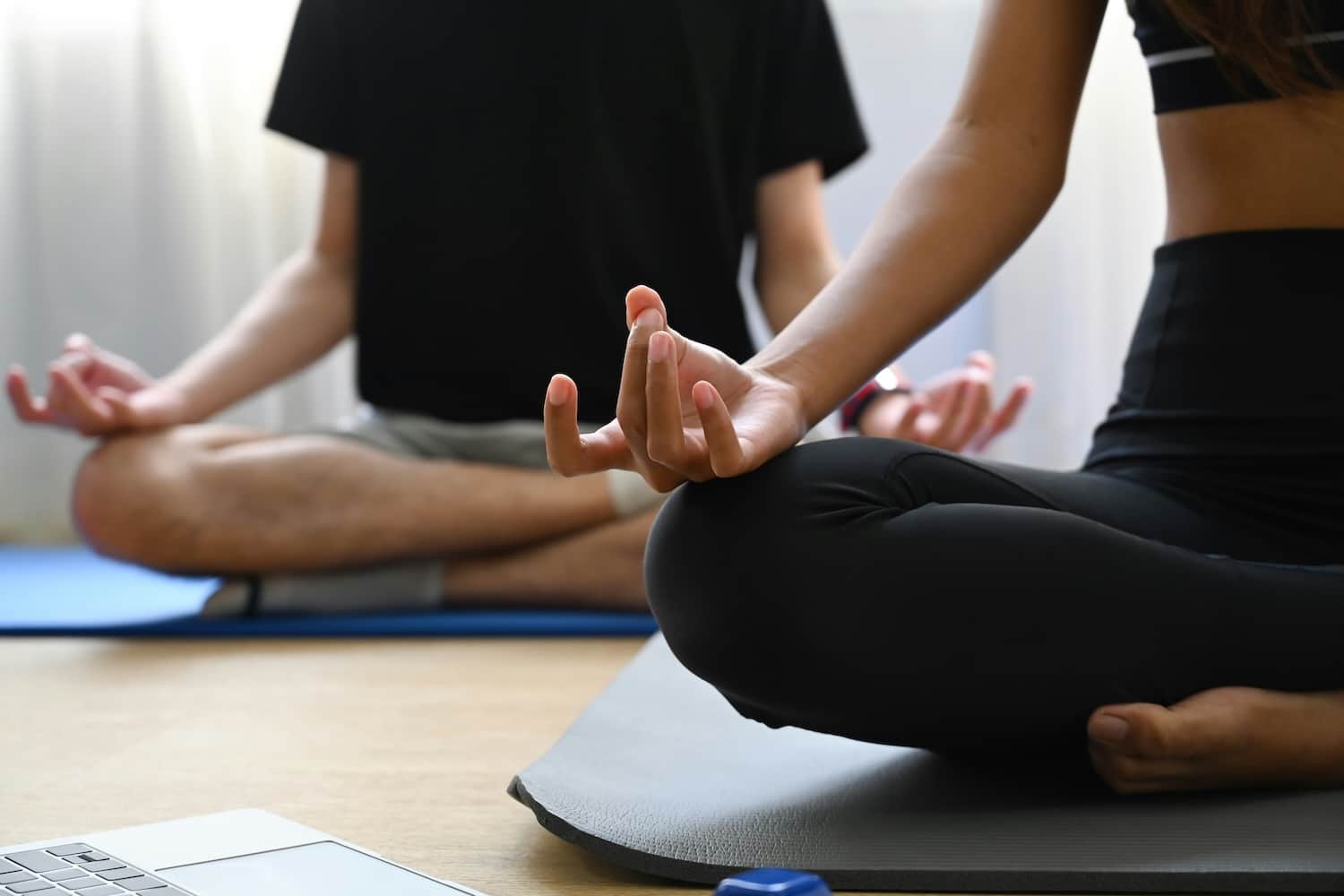
If you enjoy yoga, you may wonder whether it can help you recover from an injury. The short answer is yes, sometimes. The longer answer depends on timing, guidance, and the type of injury.
At Vangool Wellness in Saskatoon, many patients combine physiotherapy and yoga as part of a safe recovery plan. When introduced at the right stage, yoga can support healing and long term wellness. When introduced too early or performed incorrectly, it can slow progress.
Yoga and physiotherapy share several important principles. Both focus on controlled movement, body awareness, and long term injury prevention. Because of this overlap, yoga can become a valuable tool in physiotherapy rehabilitation when used strategically. The key is knowing when the body is ready and which types of movement are appropriate.
When Yoga Helps Injury Recovery
Yoga can be very helpful during the recovery or chronic stage of healing. Once inflammation settles and tissues begin repairing, gentle movement helps restore confidence and mobility.
During this phase, yoga can support recovery by improving flexibility, activating stabilizing muscles, and reducing fear of movement. Many people develop hesitation after injury, and slow, controlled movement helps rebuild trust in the body.
This is particularly helpful for people recovering from:
- Low back pain
- Neck tension
- Shoulder stiffness
- Hip tightness
- Ongoing pain conditions
Gentle movement teaches the nervous system that movement is safe again, which is a major milestone in rehabilitation.
Yoga also plays an important role in chronic pain management. Slow breathing and mindful movement help calm the nervous system and reduce pain sensitivity. This effect is well supported in pain science and is one reason yoga is often recommended alongside physiotherapy.
For many patients, yoga provides benefits such as improved mobility, better posture awareness, and reduced muscle tension. It also helps reduce stress, which is strongly linked to muscle tightness and persistent pain patterns.
When Yoga Can Slow Healing
Yoga is not always the right tool early in recovery. Timing matters significantly.
Immediately after an injury, tissues need protection and controlled loading. Too much stretching too soon can irritate healing tissues, increase inflammation, and delay recovery. This is especially true for acute muscle strains, ligament sprains, early disc injuries, and post surgical rehabilitation.
Certain injuries also require special caution with yoga. Many poses place weight through the arms and shoulders, which can overload healing tissues. People with rotator cuff injuries, shoulder impingement, wrist sprains, or carpal tunnel symptoms often need significant modifications before returning to yoga safely.
Individuals with hypermobile joints also need a different approach. When joints are already very flexible, deep stretching can worsen instability. These individuals usually benefit more from strengthening and control than from additional flexibility work.
Pain that becomes sharp or worsens after yoga is another clear sign that the timing or intensity may not be appropriate. Pain should always guide decision making during recovery.
How to Use Yoga Safely During Rehab
The goal is not to avoid yoga completely, but to use it at the right time and in the right way. A physiotherapy assessment helps determine your stage of healing and which movements are safe to introduce.
Rehabilitation friendly yoga styles typically include:
- Gentle yoga
- Hatha yoga
- Yin yoga
- Restorative yoga
Higher intensity styles such as power yoga, hot yoga, and fast paced vinyasa are usually better introduced later in the recovery process once strength and stability have improved.
Modifications play a major role in safe yoga practice. Props help reduce strain and make poses more accessible:
- Blocks
- Bolsters
- Straps
- Wall support
Following a simple pain guideline can also help keep recovery on track:
- Mild discomfort during movement may be acceptable
- Sharp pain is not acceptable
- Pain that worsens after practice is not acceptable
Why Yoga and Physiotherapy Work Best Together
Physiotherapy and yoga offer complementary benefits. Physiotherapy provides diagnosis, strength training, and evidence based progression. Yoga supports mobility, body awareness, stress reduction, and long term wellness habits.
When used together, they create a balanced and sustainable recovery plan that supports both healing and prevention.
The Takeaway
Yoga can be a powerful recovery tool when introduced at the correct stage and used appropriately. When introduced too early or without guidance, it may slow healing instead of supporting it. At Vangool Wellness in Saskatoon, patients learn how to combine physiotherapy and yoga safely so they can recover confidently and return to the activities they enjoy.

