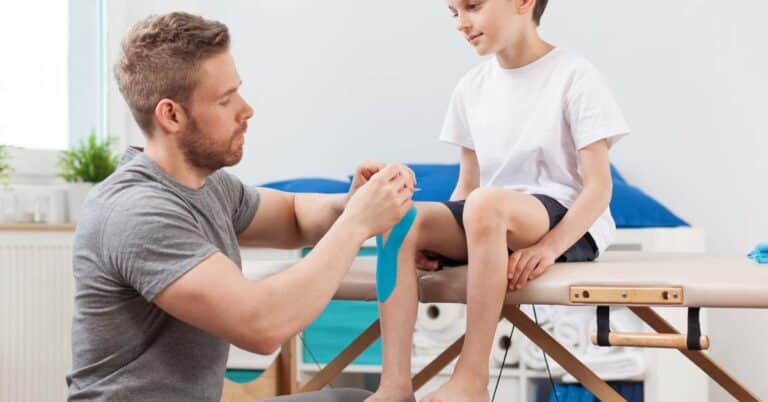
As the summer season warms up, more people are heading outdoors to stay active, but the increase in hiking, golfing, and water sports also brings a noticeable rise in sprains, strains, and overuse injuries. In a recent segment, the clinic owner of Vangool Wellness, Adrianne Vangool, shared vital recovery insights on managing these acute summer injuries. Whether you are traveling on vacation or unable to access a physiotherapy clinic right away, knowing how to properly care for your body during the first 48 to 72 hours is crucial. Read on for the full transcript to learn about the PRICE protocol, safe icing techniques, and how incorporating gentle, early active movements can help expedite your healing process.
[Interviewer]: Good morning. Today we’re over here at Vangool Wellness joined by Adrianne Vangool talking a little bit about injuries and recovery. I know summer season it’s getting warmer out, more people are out moving, active. Are we seeing a lot more injuries in the summer season?
[Adrianne Vangool]: Yes, and unfortunately they’re occurring usually when we’re on vacation and doing maybe it’s water skiing, hiking, golfing, and we get those sprains and strains. And so I thought it’d be really important to go through what to do in those first 48 to 72 hours. Maybe if you’re not near a clinic and can’t access physio right away, kind of what to do in that early acute phase.
[Interviewer]: So I know often we hear about RICE, the resting and ice, but you talk about PRICE. Tell me a little bit about that.
[Adrianne Vangool]: Yeah, so the P is protection. So if you’ve rolled an ankle or you’re experiencing inflammation, that acute injury, always I like to stress get it checked out. But if you’re not at a place where you can, you want to protect the area, whether that’s a splint or a sling. And then the R obviously is rest. And then the I is for the icing of it. And then C is the compression. And E is the elevation.
So, one thing with the rest is actually unless it’s a known fracture, yes, you want to rest it, but you also want to do gentle active range of motion within your limits of pain as soon as you can because that’s really important in modeling the tissue and actually expediting the healing process. And then the other piece with the ice, some people will, and I’ve seen this where they put the ice directly on the skin and it feels good, but then you take it off and some people have actually had frostbite from it. So you want to make sure there’s a barrier there, but 10 minutes on, 10 minutes off, and then getting that active movement is really important.
[Interviewer]: So you said those first days are kind of crucial to help with recovery. What are some movements or advice that you would give to someone who is away from a clinic?
[Adrianne Vangool]: Yeah. So, for example, if someone strained their hamstring, it takes a few days for the bruising to come out, but doing that protocol we talked about and then some gentle movements you can do. I can show you just in sitting here. So, using that hamstring as an example, we often want to shorten it and protect it because it’s painful obviously. But what we want to try and do in an example of gentle active movement is normalizing that full range of motion. So just slowly trying to bend and straighten the knee again to your tolerance. At first it might look just really small movements and then you can work into that full range, and that really helps in those early stages of healing.
The other piece is, as you’re able to, as soon as you can tolerate it, a lot of times we’ll avoid putting weight on that injured side. Again, go to your tolerance. But what’s really important and what people will be surprised with is how quickly they can actually start to do equal weight in both legs and just trying to normalize movement as soon as possible.
But the other question I get often is when should I see physio? And usually, honestly, as soon as possible because then we can assess the severity of the injury and help people with those questions of how much is too much, should I be doing this or that. In that first, you know, 7 to 14 days of that acute injury is really important. And then you may not need to see us as much later on, but that window of time is really critical to have the right intervention.
[Interviewer]: What are some common injuries that you’ve been seeing come into the center during the summer?
[Adrianne Vangool]: Well, a lot of overuse injuries, either the shoulder with golf or doing more racket sports because when we’re having a good time in the summer, we want to win that game against maybe our relative and we go hard and our body maybe isn’t ready for it. We overstrain and we get inflammatory usually like tendon issues or tendonitis. So whether that’s the shoulder, again, those muscle strains, but rolled ankles is something we see, or sprained ankles we see a lot in the summer.
[Interviewer]: Perfect. Okay. So, if you’re hitting the courts this summer, maybe doing some exercise or movement, or just recovering an older injury, making sure to get it checked away, doing movements, ice, and keeping an eye on things. Thank you so much for joining me this morning.
[Adrianne Vangool]: Thanks for having me.